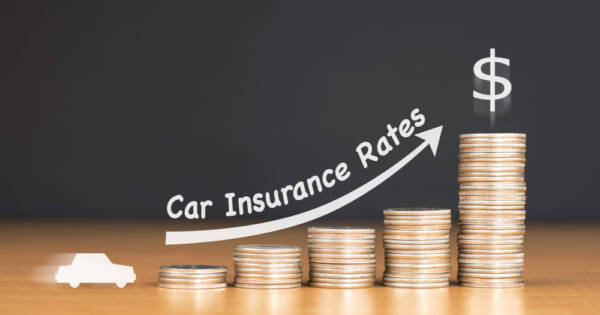

As drivers look for ways to cut rising insurance costs, two mileage-focused models are gaining attention: pay-per-mile and usage-based coverage. Both promise fairer pricing by linking premiums to real driving habits rather than broad estimates. While pay-per-mile centers on how far you travel, usage-based programs factor in behavior such as acceleration, braking, and time of day. Understanding the distinctions can help motorists identify which option delivers better value and aligns with their driving patterns.
How Pay-Per-Mile Insurance Works
Pay-per-mile insurance bases costs on the number of miles driven. Insurers track mileage through a device installed in the car or a mobile app. The monthly premium consists of a base rate and a per-mile charge. This option benefits people who drive infrequently, such as remote workers or retirees.
The lower the mileage, the lower the cost. However, people who drive regularly may not see savings. This type of plan is not ideal for those who take long commutes or frequent road trips. It also requires sharing driving data, which could raise privacy concerns for some customers.
How Usage-Based Insurance Works
Usage-based insurance (UBI) considers driving behavior instead of just mileage. Insurers track habits like speed, braking, and acceleration through a mobile app or telematics device. Safer driving usually leads to lower premiums, while risky driving could result in higher costs.
This model rewards responsible drivers with potential savings. However, it may not suit people with unpredictable driving habits. Sudden braking or late-night driving might increase premiums, even if the driver is otherwise safe. Like pay-per-mile insurance, it also involves sharing personal data with insurers.
Who Benefits Most from Pay-Per-Mile Insurance?
Drivers who cover fewer miles each month often benefit the most. Those who primarily use public transportation, work from home, or have a secondary vehicle may find lower rates. Retirees who only drive for errands or social outings may also see savings.
However, people with changing driving habits might struggle with this plan. If someone suddenly needs to drive more due to a job change or personal reasons, their costs could increase unexpectedly. This unpredictability makes it less ideal for those with uncertain schedules.
Who Benefits Most from Usage-Based Insurance?
Usage-based insurance is best for drivers who consistently practice safe driving habits. People who avoid sudden stops, maintain steady speeds, and drive mostly during the day may see the greatest discounts. Young drivers, who typically pay high insurance rates, could lower their costs with careful driving.
However, those who frequently drive at night or in heavy traffic might not benefit as much. Even cautious drivers can experience rate fluctuations due to unpredictable conditions. For some, the possibility of increased premiums outweighs the potential savings.
Privacy and Data Concerns
Both insurance models require tracking driving behavior. Some people may feel uncomfortable sharing this data, especially if insurers use it to adjust rates. While companies claim to protect customer information, data security remains a concern.
Drivers who prioritize privacy may prefer traditional insurance plans. Those comfortable with monitoring technology, however, might appreciate the potential savings these modern plans offer. Before signing up, it’s essential to understand how an insurer handles data and whether they share it with third parties.
How Technology Is Shaping Future Pricing Models
Advancements in vehicle connectivity and telematics are rapidly expanding what insurers can measure, pushing mileage-based models into more personalized territory. Some companies are experimenting with hybrid systems that blend pay-per-mile and behavior-based scoring, giving drivers credit for both low mileage and safe habits.
As cars become smarter—with built-in sensors, lane-keeping data, and automated emergency braking logs—insurers may gain even more precise insight into risk. While this could make premiums more accurate, it also raises new questions about data ownership and how much control drivers will retain over the information their vehicles generate.
Which Option Is Better?
Choosing between pay-per-mile and usage-based insurance depends on individual driving habits. People who drive infrequently may benefit from pay-per-mile insurance. Those with consistent and safe driving habits may find usage-based insurance more appealing.
Each model has its advantages and drawbacks. Reviewing personal driving patterns, budget, and privacy concerns can help determine the best option. Understanding how rates fluctuate and what factors affect costs is also crucial before making a decision.
Making the Right Choice
Pay-per-mile and usage-based insurance offer flexible alternatives to traditional policies. Each works differently, catering to specific types of drivers. Those who rarely use their car may save more with pay-per-mile insurance, while safe drivers could benefit from usage-based plans.
Understanding personal driving habits is key to choosing wisely. Comparing different policies and reviewing insurer terms can help drivers find the most cost-effective and suitable coverage for their needs.